
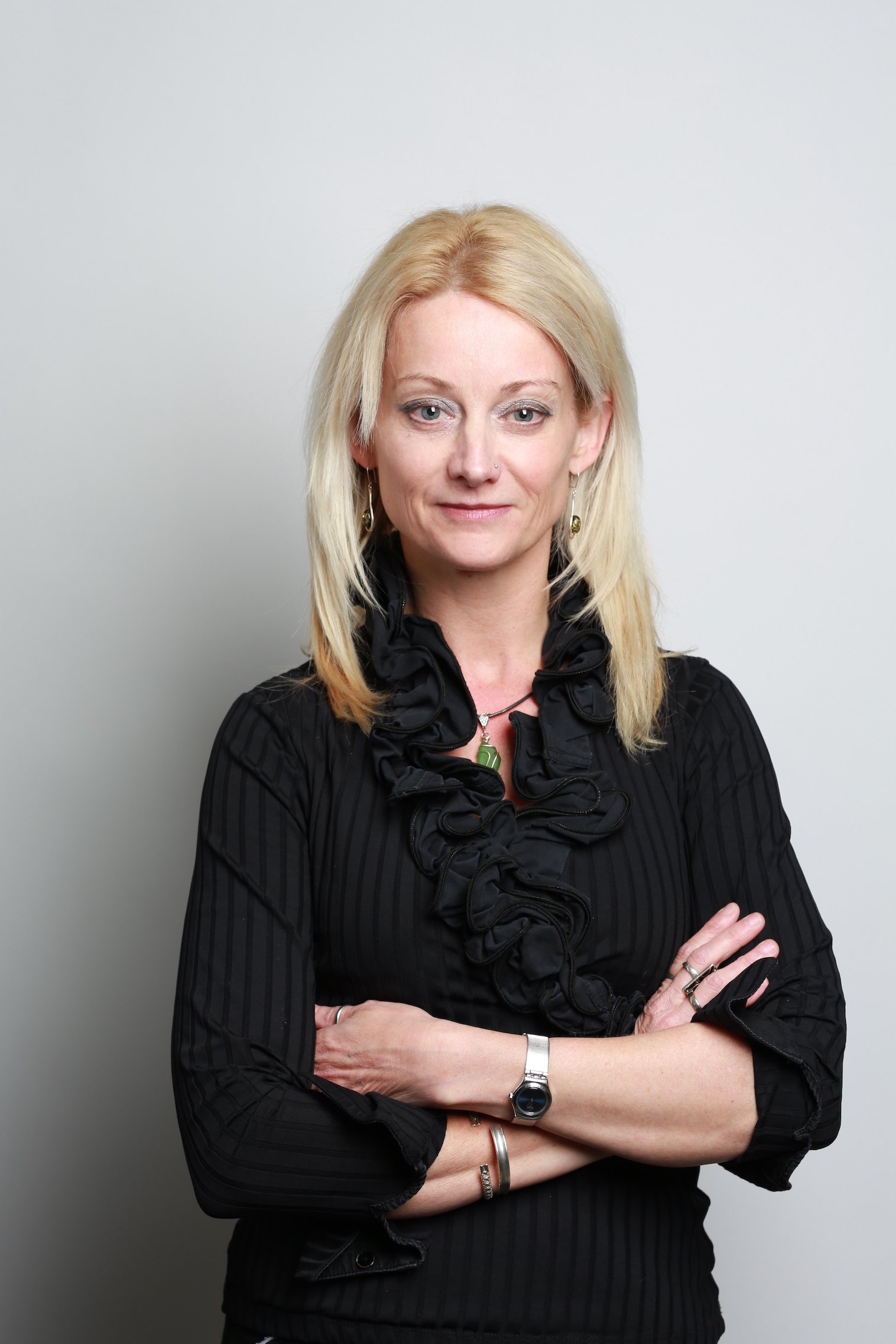
Artificial intelligence in the ICU: what is it and how can it help us?
Professor Louise Rose MBE will explore the potential of artificial intelligence for transforming how we manage patients in the intensive care unit. She will discuss the use of both machine learning and natural language processing for predictive analytics and clinical decision-support. The presentation will also highlight how “smart ICU” systems using autonomous patient monitoring and deep learning can support clinicians in interpreting complex patient data as well as the role of autonomous robots into ICU clinical practice . In addition, she will address implementation challenges, ethical considerations, and the safe integration of AI.
Louise Rose RN, PhD, MBE is a Professor and Research Division Head at King’s College London. She also holds an honorary Professorship in the Departments of Critical Care and Lane Fox Respiratory Unit at St Thomas’ Hospital in London. Prior to this she was an Associate Professor at the University of Toronto. Her research focuses on improving outcomes and experience of patients with acute and chronic respiratory failure including those receiving mechanical ventilation in intensive care and at home in the community. Prof Rose is a senior or principal investigator on numerous randomized controlled trials in both critical care and home ventilation funded in Canada, Australia and the United Kingdon.
Professor Rose has authored over 300 peer-reviewed publications and been awarded over 110 peer reviewed research grants from government and charitable organisation funders in Canada, the UK Australia and New Zealand totalling over £22 million. Professor Rose is active in various professional societies including being the current chair of the Research Division of the UK Intensive Care Society.
In 2023 she received a Member of the British Empire (MBE) for her work in digital innovations to support patients and families during the COVID-19 pandemic. Louise also has over 20 years of clinical experience within the field of critical care nursing, including bedside, managerial and clinical education roles in England, New Zealand and Australia, incorporating cardiothoracic, paediatric and trauma specialty units, as well as medical and surgical intensive care units.
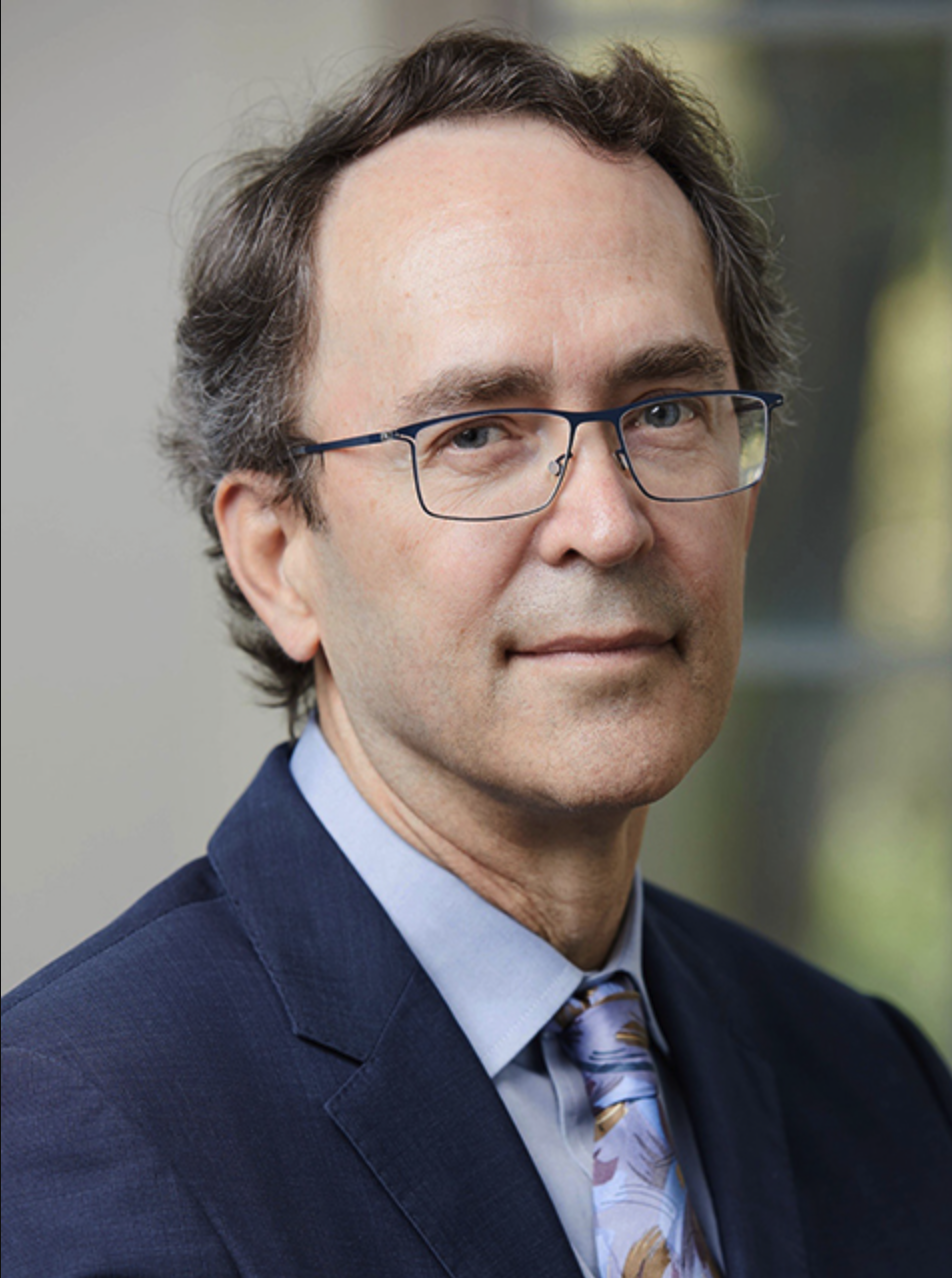
The Torsten Gordh State-of-the-art Lecture 2026 - The Nobel Prize and Anesthesia
Prof Hugh Hemmings 2026 State-of-the Art Lecture in honor of professor Torsten Gordh will set the focus on a series of groundbreaking discoveries awarded the Nobel Prize in either Physiology or Medicine, or in Chemistry, each one being pivotal in the development and understanding of our medical practice. With Dr Hemmings background as a leading clinician-scientist in anesthesiology and perioperative medicine, his lecture will underscore the importance of understanding fundamental mechanisms for the development of novel therapies and safe practice in anesthesia and intensive care.
Hugh Hemmings, Professor and Chair of the Department of Anesthesiology at Weill Cornell Medical Centre, New York, NY, USA is an international expert in pharmacology of general anesthesia and how anesthetics work at a molecular level. After receiving his undergraduate, medical and doctoral degrees in pharmacology from Yale University, he conducted postdoctoral research in molecular and cellular neuroscience at The Rockefeller University with professor Paul Greengard, Nobel Laureate in Physiology or Medicine in year 2000. Hugh Hemmings is a member of the National Academy of Medicine and currently serves as editor-in-chief of the British Journal of Anaesthesia. He has authored more than 200 articles in anesthesiology and neuroscience, and four textbooks on anesthesiology, including Physiology and Pharmacology for Anesthesia.
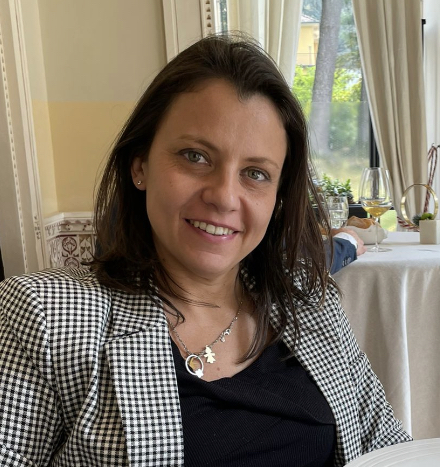
Neuroprotection outside of the neurointensive care unit
In this section, Professor Chiara Robba, director of neurointensive care at the San Marino Policlinico hospital in Genova, Italy, and former chair of the neurointensive care section in ESICM will talk about neuroprotection strategies. She will cover strategies for common neurological emergencies in the general intensive care unit, such as severe stroke, refractory status epilepticus and meningitis, and how we should manage these patients when advanced or invasive neuromonitoring is not available.
Chiara Robba is Professor and Head of NeuroICU at University of Genova, Policlinico San Martino. She got a PhD in neurosciences and she is past Chair of the Neurointensive care section of the ESICM. She is Associate Editor for Neurocritical Care and Deputy Editor of Intensive care Medicine. She has published more than 500 peer reviewed papers mainly on neurointensive care and extracranial complications after brain injury.
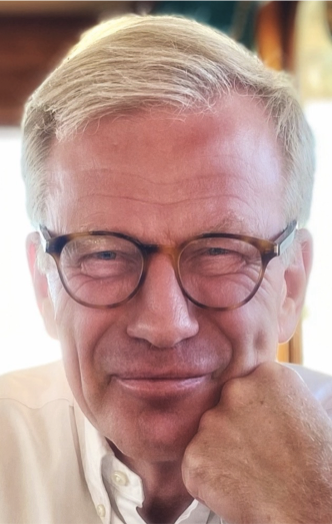
Hjärnan efter kirurgi – neuroinflammation, kognitiv svikt och risk för demens
Olof Norlander-föreläsningen 2026 kommer att ge en bred inblick i de kliniska förändringar som uppstår i högre hjärnfunktioner efter stor kirurgi eller trauma och om underliggande mekanismer bakom långsiktiga konsekvenserna av kirurgi och trauma på hjärnan. Särskilt kommer immunologisk kommunikation från periferin till hjärnan att diskuteras, liksom rollen som kirurgi-inducerade molekylära och cellulära immunmönster kan spela bakom långvariga förändringar i kognitiv kapacitet och risk för neurodegeneration. Slutligen kommer föreläsningen peka på nya sätt att identifiera riskpatienter, för vilka nya behandlingsstrategier bör utvecklas.
Lars I Eriksson, MD, PhD, FRCA är Professor och Vetenskapligt ansvarig för Anestesi och Intensivvård på Karolinska Institutet i Stockholm.

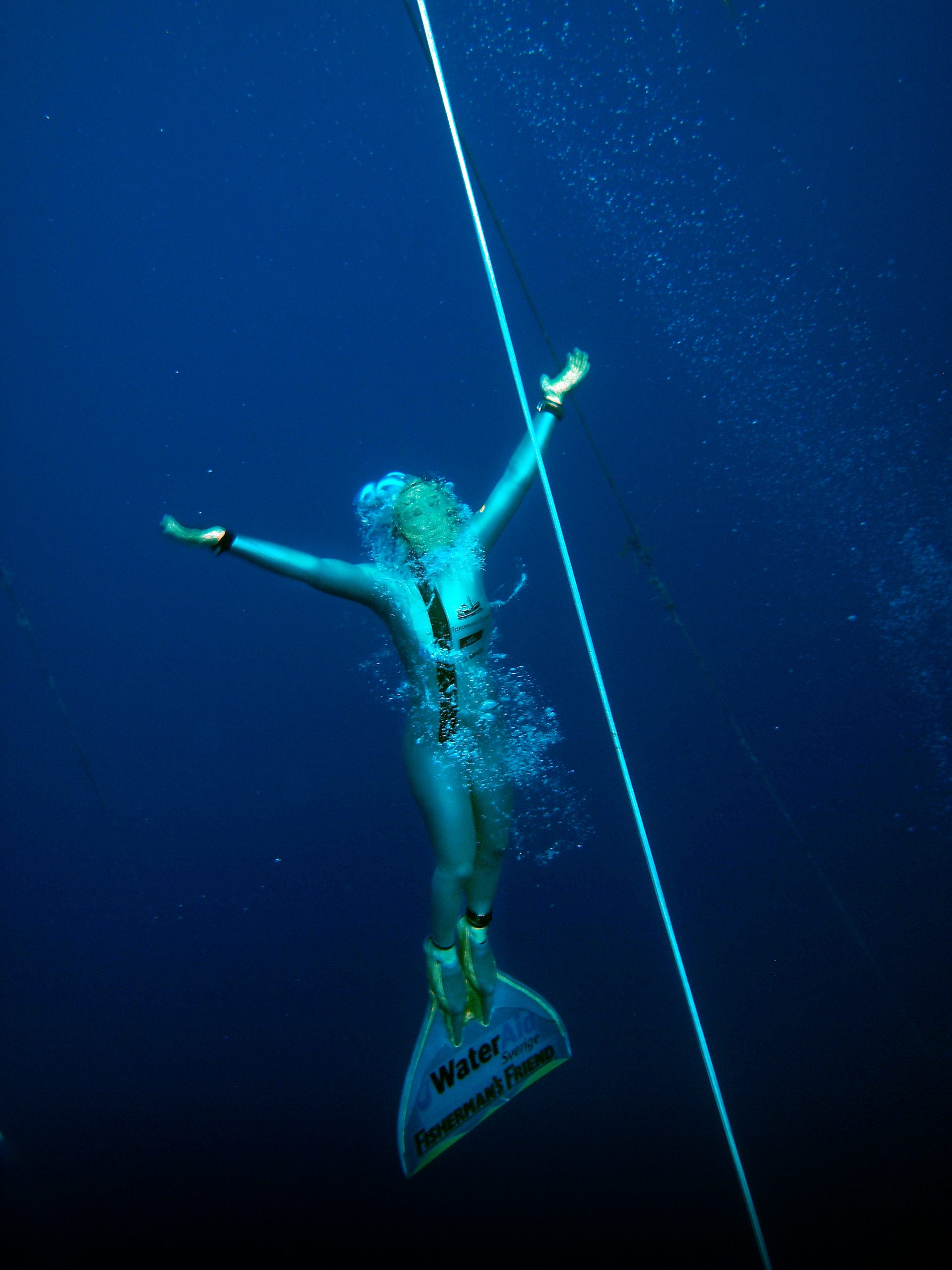
Ett andetag
Annelie Pompe är en av Sveriges främsta äventyrare. Med ett världsrekord i fridykning till 126 meter på ett andetag och bergsbestigningar av det högsta berget på varje kontinent, är hon den människa i världen som varit högst och djupast av alla. Hon har föreläst Sverige runt och i stora delar av världen för att lära människor att vara modigare, sluta begränsa sig, hantera utmaningar och hitta mera energi och motivation i vardagen.
Med en blandning av spännande historier och metoder från idrottspsykologi tar äventyraren Annelie Pompe med er på en inspirerade resa som ger er en riktig energikick. Ödmjukt och autentiskt berättar hon att det mesta är möjligt om vi inte begränsar oss själva för mycket. Föreläsningen är kopplad till vardagslivet och hur vårt mod och vår inställning till livet påverkar hur vi lever. Hon delar med sig av verktyg som gör skillnad.
”Tankarna påverkar allt vi gör”, menar Annelie. ”Väldigt sällan kan vi styra över de yttre omständigheterna, men vi kan alltid välja vilket förhållningssätt vi vill tackla dem med. Det handlar om attityd och inställning.” Hon menar att det största äventyret av alla sker inombords och i möten mellan människor, inte nödvändigtvis på mt. Everest.